Bedding · Sleep comfort
Inside Down Bedding: How Chamber Construction Affects Feel and Care
A down pillow’s softness is only part of its story. Inside the fabric shell, chambers, baffles and layers help determine where the fill settles, how the pillow responds to pressure and what it takes to keep it feeling fresh. Knowing how these details work makes it easier to compare down bedding by more than a label or a first impression.
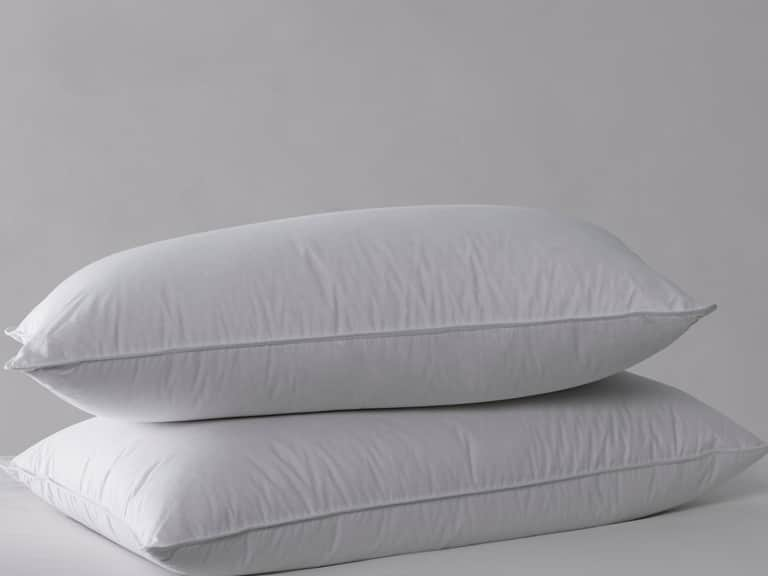
A pillow looks simple from the outside: a soft rectangle waiting at the head of a bed. Yet its feel is shaped by a small landscape of materials and seams. Down clusters trap air and compress under a sleeper’s head; feathers tend to add more structure. The shell contains those materials, while the interior construction guides how they move. A pillow with one open chamber may behave differently from one divided into compartments, even when the fill names appear similar.
Those differences matter over a night of turning, settling and rising again. A pillow that feels airy in a showroom may compress substantially under pressure. Another may hold a more consistent profile because its fill is arranged in separate zones. Neither design is automatically better. The useful question is whether its loft, softness and maintenance needs suit the sleeper and the way the pillow will be used.
First, a note on down and feathers
Down and feathers are related but not interchangeable terms. Down consists of soft clusters that grow beneath the outer feathers of birds. Their fine filaments radiate from a central point, creating a light structure that can trap air. Feathers have a firmer central shaft, or quill, and generally contribute more weight and structure. Bedding may use down, feathers or a blend of the two.
The proportions and quality of the fill influence a pillow’s character, but they do not tell the whole story. Fill power is a measure of the volume occupied by a given weight of down under specified conditions. It offers information about loft and airiness, not a complete prediction of comfort, firmness or suitability for a particular person. The amount of fill, the dimensions of the pillow, the weave of its shell and its internal design all play a part.
It is also worth distinguishing a down pillow from a feather pillow and from a mixed-fill pillow. A product described as down may include a small proportion of feathers, while a feather-rich blend will often feel more substantial. Labels and specifications vary, so check the listed composition rather than relying on a product name alone. Allergies, personal preferences and care instructions deserve equal attention.
What a chamber does
A chamber is an enclosed section within a pillow. It may be formed by stitched seams, internal fabric walls or baffles that create separate pockets. These divisions help limit how far the fill can travel. The pillow’s construction can be as important as the ingredients: two pillows with similar fill may differ in how evenly they support the head, whether their edges collapse and how often they need to be reshaped.
Chambers do not make a pillow rigid. The fill still compresses and shifts within its space. Instead, partitions influence the distance and direction it can move. In a basic design, the fill may travel more freely from one area to another. In a divided design, each section holds a portion of the fill, helping the pillow maintain a more deliberate arrangement.
One chamber: a freely shifting feel
A single-chamber pillow has one continuous interior space. Its fill can move across much of the pillow, which may create a soft, flexible feel. Some sleepers enjoy being able to scrunch or fold the pillow to make a temporary hollow or higher edge. The design can also be straightforward to describe and care for, although the fill may need occasional redistribution.
The trade-off is that material can collect away from where it is needed. With repeated pressure, the center may compress while fill migrates toward the sides, or one corner may become fuller than another. How noticeable this is depends on the shell, fill quantity and fill type as well as sleeping habits. A gentle shake or fluff can help restore a more even surface, but a pillow that repeatedly clumps or loses its useful loft may no longer suit its intended role.
Baffle-box construction: room for loft
Baffle boxes use internal walls to divide a pillow into compartments. The walls are often designed to create depth, allowing fill to expand within each section rather than being pressed flat between two layers of fabric. By limiting migration, this construction can help distribute the fill across the pillow and preserve a fuller appearance.
That fuller look should not be mistaken for guaranteed firm support. A lofty pillow may compress considerably once a head rests on it. A baffle-box design can make the distribution more consistent, but it does not determine a sleeper’s ideal height by itself. Fill weight and composition, chamber size and the pillow’s dimensions remain important. If a specification names baffles, look for accompanying information about loft or firmness rather than assuming the term signals one particular feel.
Compartments can also affect care. Fill held in separate areas may resist traveling into a single large lump, but it can take careful drying to make sure moisture does not remain inside thick sections. A pillow can feel dry on its surface while dampness persists deeper in the fill. Follow the manufacturer’s instructions, and allow sufficient time for the entire pillow to dry before placing it back on the bed.
Layered and multi-chamber designs
Some pillows use layers or multiple chambers with different fills or densities. A firmer core may provide more structure, while softer material around it supplies cushioning. In a three-chamber arrangement, for example, a center section might contain a denser feather fill and outer sections a softer down-and-feather blend. The goal is to combine a more stable center with a gentler surface.
Layered construction can feel distinct from a single chamber because the sleeper encounters different materials in different parts of the pillow. A supportive core may resist compression more than an all-down fill, while outer chambers soften contact and contribute loft. Multi-chamber designs can also keep the components organized instead of allowing them to mingle freely.
These descriptions are not universal standards. Manufacturers may use similar terms for different patterns, and a chamber count does not explain every detail of the build. When comparing options, check what each chamber contains, where it is positioned and whether the description refers to separate fill zones, a layered core or simply stitched sections. If the information is unclear, the label alone may not reveal how the pillow will perform.
Construction and sleeping position
A comfortable pillow helps the head and neck rest in a position that feels natural for the sleeper. A person’s shoulder width, mattress softness, preferred position and tendency to change position during the night all influence what height feels comfortable. Side sleepers often need a pillow that fills more of the space between the head and mattress; back sleepers may prefer a lower profile. Stomach sleepers commonly look for less height, though individual comfort varies.
Chambers can help a pillow maintain the distribution it was designed to provide, but they cannot replace a good fit. A very lofty pillow may feel crowded beneath the neck, while a low pillow may leave the head dipping toward the mattress. A soft down pillow can compress under weight, so its unoccupied height may not reflect its working height. If possible, assess comfort in the position you actually sleep in and give yourself time to notice whether the pillow stays comfortable after it settles.
People who move between positions may value flexibility, but a pillow that changes shape easily is not necessarily the best match for everyone. Some prefer a pillow that can be folded or reshaped. Others want a more stable profile that needs less adjustment. The distinction is personal: chamber design describes how the fill is organized, not which sleeping position a pillow is guaranteed to suit.
Shells and seams matter too
The outer shell is the boundary that keeps the fill in place. A tightly woven, down-proof fabric can help contain fine clusters and feathers. Stitching quality matters because seams are working edges, exposed to pressure and repeated movement. A shell that feels smooth and breathable may improve the surface experience, but fabric alone does not establish the pillow’s support level.
Construction details can be read as a system. The fill determines the character of the material; the chamber pattern controls its movement; the shell contains it; and the seams join those elements under nightly use. If a pillow develops escaping fill, torn seams or persistent unevenness, inspect the shell and construction rather than assuming the material itself is the only cause.
A gentle daily routine
Routine care can help preserve a down pillow’s shape. In the morning, give it a few gentle squeezes or shakes to release compression and redistribute the fill. Avoid aggressive pulling at the corners or repeatedly folding the pillow sharply, which can put unnecessary strain on seams. If the pillow has distinct chambers, light handling is usually more appropriate than trying to force fill from one compartment into another.
Use a clean pillowcase and consider a washable pillow protector. These layers reduce the amount of everyday soil reaching the shell and interior. Airing a pillow in a dry, well-ventilated place can help refresh it between washes. Direct sun or high heat is not appropriate for every fabric or fill, so check care guidance before using either.
Washing frequency depends on the pillow, its cover and how it is used. Many down products need less frequent laundering when protected, while some are designed for machine washing and others call for professional care. The care label is the starting point. Do not assume that a pillow can be washed simply because another down product can.
Why drying deserves special attention
After washing, thorough drying is essential. Down and feathers can hold moisture within their clusters, and a damp pillow may lose its loft or develop an unpleasant odor. Even when the shell feels dry, the interior may need additional time. Follow the care instructions for temperature, equipment and handling. If machine drying is permitted, low heat is often specified, and periodically checking and gently fluffing the pillow can help expose damp areas.
Drying time varies with the pillow’s size, construction, fill and the equipment used. A compartmentalized pillow can be particularly important to check carefully because fill in the center of a chamber may dry more slowly than the outer surface. Do not put a pillow away or cover it with bedding until it is completely dry throughout. If home equipment cannot accommodate the pillow safely or dry it fully, professional laundering may be the more practical option.
How to compare down pillows
A useful comparison begins with more than softness labels. Consider these details together:
- Fill composition: Check the stated proportions of down and feathers, or identify whether the pillow uses a different material in its core.
- Construction: Look for single-chamber, baffle-box, layered or multi-chamber descriptions, and note how the sections are arranged.
- Fill weight and loft: These can help explain whether a pillow is likely to feel airy, low-profile or more substantial, though they cannot guarantee personal comfort.
- Shell and seams: Review fabric details and construction quality, especially if fill containment and durability are priorities.
- Care instructions: Confirm whether washing is allowed and what drying method the product requires.
- Personal fit: Think about sleep position, shoulder width, mattress feel and whether you prefer a pillow you can reshape.
Some shoppers also consider sourcing and certifications. These may offer information about standards or practices associated with a product, but they do not replace a clear materials list or care instructions. Likewise, a phrase such as “hypoallergenic” should be interpreted in the context of the maker’s description; no bedding label can promise that every individual will be free of a reaction. Anyone with a known allergy or medical concern should seek guidance appropriate to their circumstances.
Reading the pillow as a small structure
A down pillow is more than a quantity of soft fill. It is a small structure designed to hold air, yield under pressure and recover when pressure lifts. Chambers influence where the fill can travel; layers can assign different roles to different materials; the shell and seams keep the whole arrangement together. These choices shape the nightly experience, but they work alongside the sleeper’s body and the bed beneath them.
That is why no single chamber style is universally best. A flexible one-chamber pillow may suit someone who likes to bunch and reshape a cushion. Baffles may appeal to a sleeper who wants fill more evenly distributed. A multi-chamber design may offer a blend of a structured core and softer surface. In each case, the details matter more than the name of the construction alone.
For anyone comparing down bedding, the most reliable approach is to connect the specification to a practical question: How does the pillow feel under my head? Does its height remain comfortable through the night? Can I maintain it with the care I am willing to provide? With those questions in view, the seams and compartments inside the shell become easier to understand—not as hidden technicalities, but as part of the design that brings softness, support and everyday care together.